
Understanding the Role of PD Modems in Peritoneal Dialysis
6/16/20262 min read
Introduction
On June 16, 2026, I experienced an evening filled with both anticipation and a hint of disappointment as I navigated my peritoneal dialysis (PD) routine. To help reduce the number of drain alarms, I initiated the PD process earlier than usual. Unfortunately, a faulty cassette hindered my plans, but it did allow me to reflect more on the importance of technology in managing my treatment.
The Importance of the PD Modem
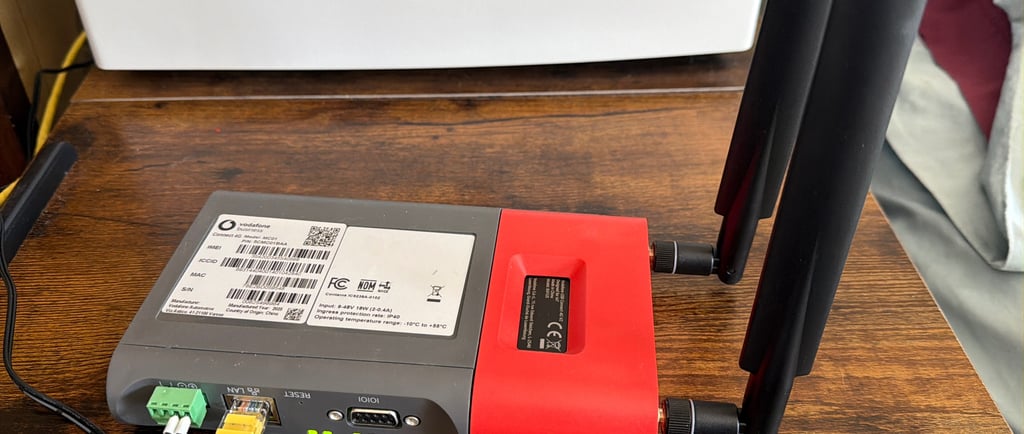
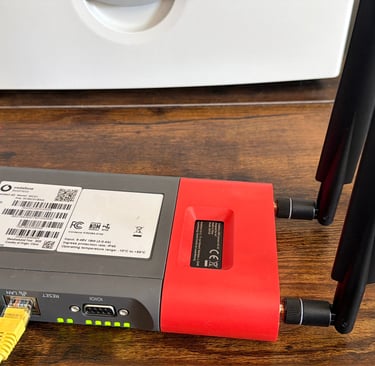
The PD modem represents a pivotal advancement in the field of peritoneal dialysis, facilitating a level of remote monitoring that significantly impacts patient care. This device operates by transmitting vital treatment data to my PD nurse each morning, effectively streamlining the monitoring process. This nightly data transfer ensures that healthcare providers are equipped to track progress and make informed adjustments to my treatment plan based on up-to-date information.
How the PD Modem Works
The functionality of the PD modem is straightforward yet highly effective. Each night, it collects and sends information regarding my dialysis sessions as well as any variables that may affect my treatment. The capability for remote monitoring allows my healthcare team to assess my condition and address any complications that might arise without the need for physical visits. This seamless flow of information fosters an environment where personalized care can thrive, allowing treatment regimens to be tailored specifically to my changing needs.
Benefits of Using a PD Modem
Utilizing a PD modem offers numerous benefits that enhance the overall experience of managing peritoneal dialysis. Firstly, it improves communication between patients and healthcare providers, as regular updates are exchanged that keep both parties informed. This frequency in communication not only reinforces the patient’s confidence in their care regimen but also allows nurses to provide tailored treatment adjustments that further support individual health goals.
Moreover, the convenience of home treatment is greatly amplified through the use of a PD modem. Patients can engage with their treatment plans from the comfort of their homes while still enjoying the reassurance of professional oversight. This setup not only fosters independence but also effectively manages both time and energy, critically important factors for individuals navigating chronic health conditions.
Conclusion
In summary, the PD modem plays a foundational role in optimizing the management of peritoneal dialysis. By facilitating remote monitoring, enhancing communication, and providing personalized care, this vital device contributes significantly to better health outcomes for patients. As technology continues to evolve, the PD modem exemplifies how innovation can lead to improved patient experiences and more efficient healthcare practices.