
Managing Life with Peritoneal Dialysis
6/23/20262 min read
Introduction to Peritoneal Dialysis
Peritoneal dialysis is a form of dialysis that offers a viable treatment option for patients with end-stage renal disease. This method utilizes the lining of the abdomen, known as the peritoneum, to filter waste materials and excess fluids from the body. Many patients opt for this approach due to its flexibility and the ability to perform treatments at home. On June 22, 2026, this treatment was undertaken once again, reinforcing the importance of continuous care in managing kidney health.
Experiences During Treatment
As I started my peritoneal dialysis treatment early yesterday, the process unfolded without any unexpected alarms or complications. This smooth experience is crucial, as it mentally prepares the patient for the entire procedure. The absence of alarms not only provides peace of mind but also affirms that the equipment is functioning correctly. Regular monitoring and maintenance of the dialysis machinery play a vital role in ensuring a successful treatment session.
Post-Treatment Challenges and Solutions
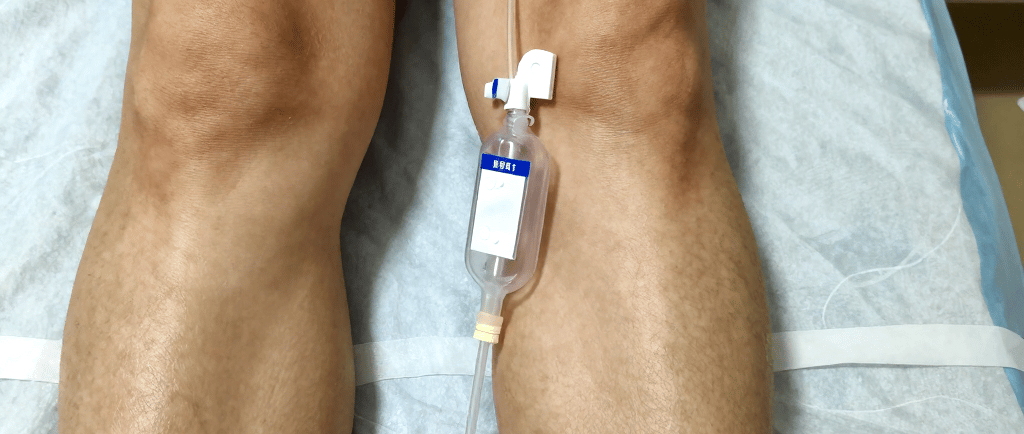
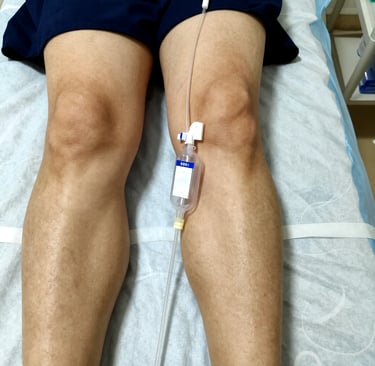
However, the experience was not entirely free of discomfort. After completing the dialysis, I experienced mild leg cramps throughout the night. These cramps are a common annoyance reported by many undergoing treatment, and they can disrupt a patient's ability to rest appropriately. Addressing this issue is essential, as sleep plays a significant role in recovery and overall well-being. Simple measures such as stretching exercises, staying hydrated, and ensuring proper nutrition can help alleviate the frequency and intensity of such cramps.
Additionally, consulting with healthcare providers might offer tailored recommendations or interventions to improve comfort during the recovery stage. Engaging in open communication with dialysis nurses and specialists can unveil preventive strategies that aid in managing these adverse effects effectively.
Conclusion
Living with peritoneal dialysis is a journey that involves continual learning and adaptation. Each session provides insights into personal health, revealing how one's body responds to the treatment. As I reflect on the events of last night, I am reminded of the importance of monitoring symptoms proactively. By improving my responses to post-treatment experiences like leg cramps, I can enhance my quality of life while navigating this necessary medical regime. Sharing experiences within the dialysis community also fosters an environment of support and understanding among patients, which is invaluable.