
The Importance of Monitoring Dialysis Treatment: A Look at June 24, 2026
6/24/20261 min read
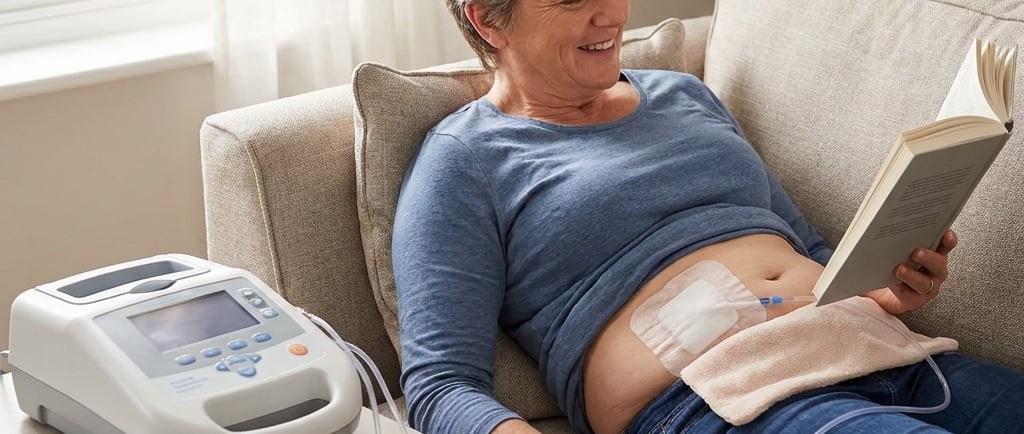

Understanding Peritoneal Dialysis
Peritoneal dialysis (PD) is a form of renal replacement therapy that utilizes the peritoneum in the abdomen as a membrane across which fluids and dissolved substances are exchanged from the blood. It is essential to monitor this treatment closely to ensure optimal outcomes for individuals with kidney failure. As noted on June 24, 2026, a session of peritoneal dialysis can serve as a reminder of the importance of both physical and mental well-being during treatment.
The Role of Patient Experience in Dialysis
During last night's session, the experience was great, particularly in the absence of leg cramps—a common discomfort in PD. Patient comfort and adherence to the treatment regimen can significantly impact overall health. The lack of leg cramps during dialysis can indicate proper fluid balance and technique, reinforcing the significance of individualized care. Furthermore, monitoring symptoms and maintaining open communication with healthcare providers is crucial for identifying any arising issues early.
Best Practices for Effective Management
To ensure the effective management of peritoneal dialysis, patients should adhere to a few best practices. Regular follow-ups with healthcare professionals, attentive monitoring of fluid intake and output, and being aware of potential complications are all critical components of successful treatment. Additionally, learning to recognize the signs of infection, such as redness or pain at the catheter site, can help prevent more severe complications. Adopting these practices can lead to improved health outcomes and enhanced quality of life for individuals undergoing peritoneal dialysis.
In conclusion, last night's event serves as a reminder that effective peritoneal dialysis management involves not only the technical aspects of treatment but also an understanding of the patient's experience. By focusing on comfort and monitoring symptoms diligently, patients can navigate their dialysis journey with greater ease and confidence.