
Understanding Peritoneal Dialysis and Managing Leg Cramps
6/30/20262 min read
Introduction to Peritoneal Dialysis
Peritoneal dialysis is a vital treatment option for individuals suffering from kidney failure. This process utilizes the lining of the abdomen, known as the peritoneum, as a natural filter to remove waste, excess fluid, and toxins from the blood. It is often preferred for its convenience and flexibility, allowing patients to undergo treatment at home. For many, peritoneal dialysis has become a routine aspect of their daily lives, enabling them to maintain a degree of independence while managing their health.
Common Side Effects of Peritoneal Dialysis
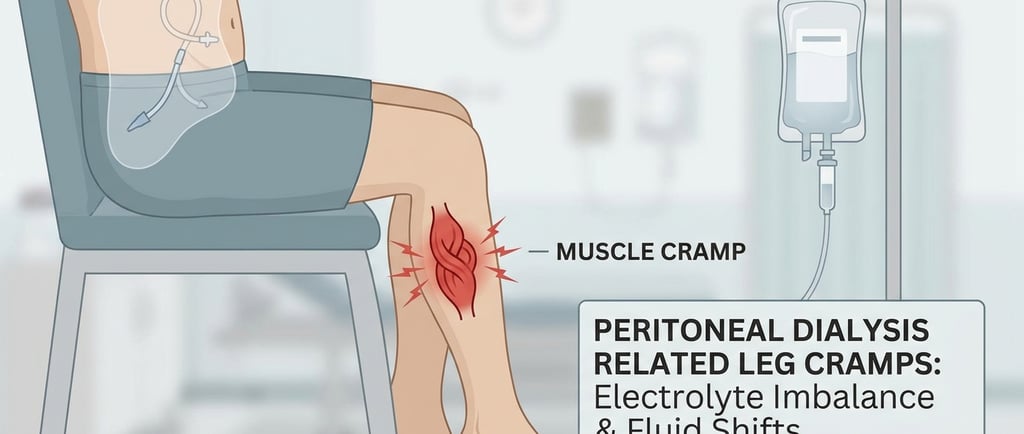
While peritoneal dialysis is generally well-tolerated, patients may experience various side effects, including leg cramps. These cramps can manifest at night or during treatment and may significantly disrupt sleep quality and overall comfort. Understanding the causes of leg cramps during dialysis is essential for effective management and prevention.
Researching Preventive Measures Against Leg Cramps
Leg cramps during peritoneal dialysis can arise from dehydration, electrolyte imbalances, or prolonged periods of immobility. To address this issue, patients are encouraged to perform proper research into preventive measures. Simple steps like maintaining adequate hydration, ensuring balanced electrolyte levels, and performing stretches or light exercises can often mitigate these uncomfortable episodes.
Additionally, consulting with a healthcare professional can provide further personalized strategies to minimize leg cramps associated with peritoneal dialysis. They may recommend potential supplements or specific exercises that can enhance overall leg muscle function. As leg cramps can be a recurring nuisance, prioritizing prevention can lead to an improved quality of life for those undergoing treatment.
Can apple cider vinegar help with nighttime leg cramps?
A nightly glass of diluted raw apple cider vinegar (ACV) may support your body's absorption of muscle-calming minerals like potassium and magnesium, potentially easing nighttime leg cramps. For best results, pair ACV with proper hydration, electrolyte-rich foods, and gentle pre-bed stretching.
Common nighttime leg cramp triggers include:
• Dehydration
• Tight or overworked muscles
• Certain medications
• Underlying nerve or circulation issues
If your cramps are severe, frequent, or accompanied by other concerning symptoms, consult a doctor promptly. Because leg cramps can stem from many different causes—some harmless, others requiring medical attention—the smartest next step is to pinpoint what's driving yours. Take a free, instant, online Symptom Checker to better understand what's going on and confidently navigate your next steps.
Recommended Dosage of Apple Cider Vinegar for Leg Cramps
How to Prepare ACV
To help relieve leg cramps, the suggested dosage of apple cider vinegar (ACV) is:
1–2 tablespoons of ACV
Mix with 8–12 ounces of water
Timing for Consumption
Drink the diluted ACV 30–60 minutes before bedtime.
Important Considerations
Dilution: Always dilute ACV properly to avoid throat irritation and protect tooth enamel.
Monitoring: If you experience any discomfort, consider reducing the amount to 1 teaspoon or skipping it on sensitive days.
This method may help improve your body's uptake of muscle-calming minerals and reduce the occurrence of nighttime leg cramps.