Navigating the Challenges of Smooth Peritoneal Dialysis
7/1/20262 min read
Understanding Peritoneal Dialysis
Peritoneal dialysis (PD) is a method used to remove waste products and excess fluid from the body when the kidneys are no longer able to function adequately. This treatment leverages the lining of the abdominal cavity, known as the peritoneum, as a natural filter. For patients undergoing PD, maintaining a smooth and effective process is crucial for their overall health and well-being.
Overcoming Technical Challenges
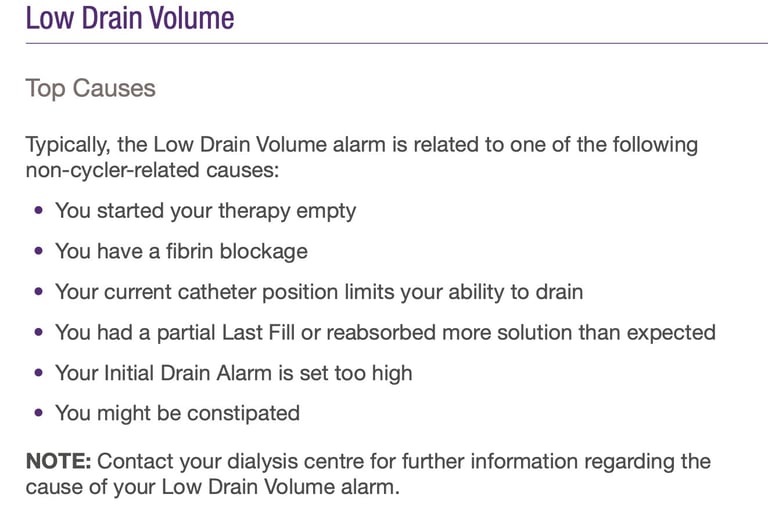
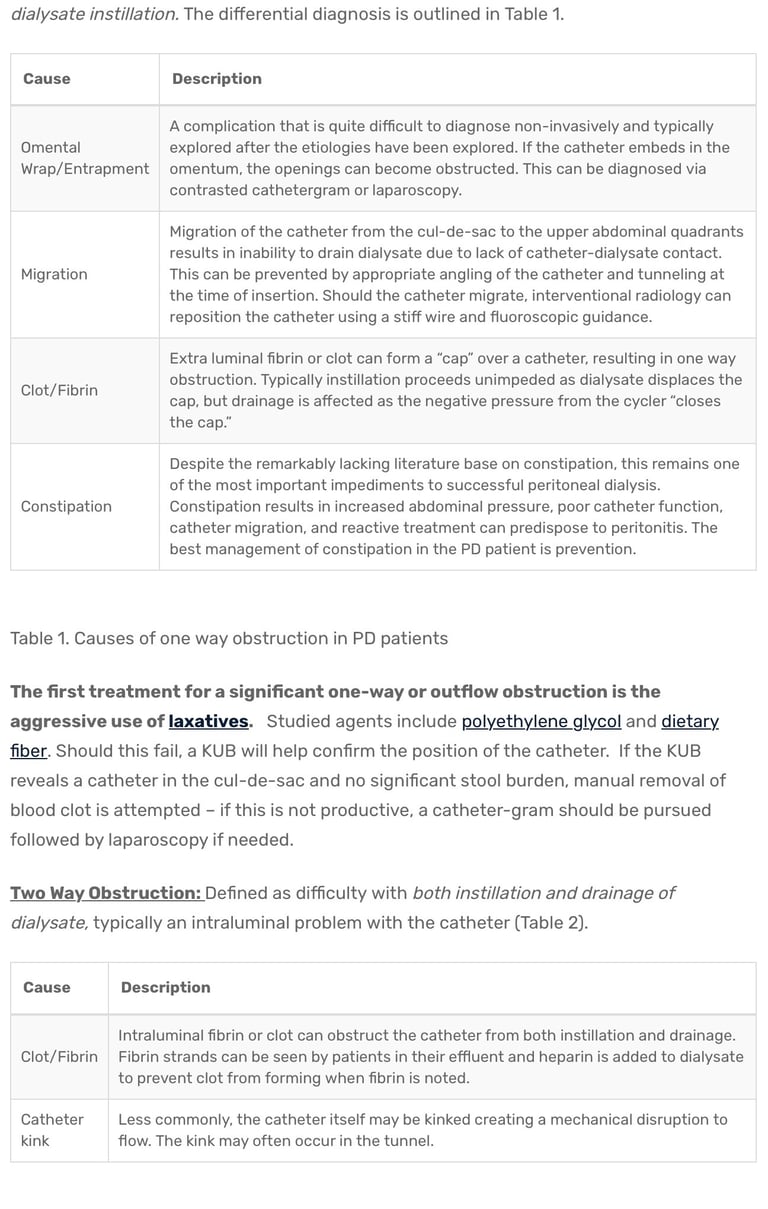
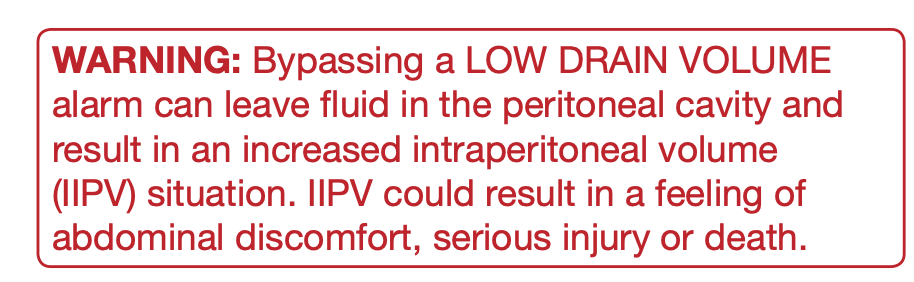
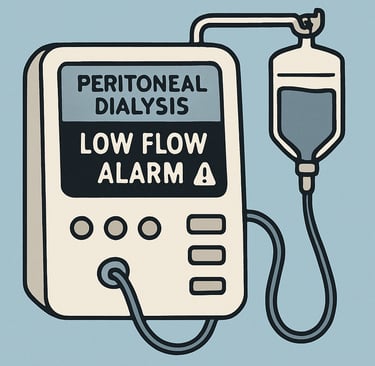
Patients often encounter challenges during their dialysis sessions, which can hinder the effectiveness of the treatment. One common mishap is when the dialysis machine signals an alarm, indicating that it has not drained enough fluid. This can lead to anxiety and confusion, as the patient might wonder if they need to take immediate action.
Such incidents are not uncommon. For instance, last night I faced a situation where only one alarm triggered during their session, indicating insufficient drainage. Rather than panicking, I clicked the resume button, allowing the machine to continue its operation. This is a critical moment that emphasizes the need for patients to remain calm and knowledgeable about their equipment. Changing positions can sometimes aid in the drainage process, providing the necessary adjustment for a more successful completion of the session.
Ensuring a Successful Session
Successful peritoneal dialysis requires not only the right equipment but also a thorough understanding of how to respond to alarms and unexpected events. Patients should engage with their healthcare providers to familiarize themselves with the equipment and establish protocols for addressing alarms. Training sessions can be invaluable for mastering the operational aspects of the machine, leading to increased confidence during home dialysis.
Furthermore, establishing a routine around dialysis sessions can minimize disruptions. This includes selecting a comfortable position during treatment, which may enhance fluid drainage and overall comfort. With proper education and practice, patients can significantly improve their experience with peritoneal dialysis, turning potential frustrations into manageable outcomes.
In conclusion, while peritoneal dialysis may present obstacles, understanding the operational nuances of the machine, remaining calm during alarms, and maintaining a structured approach can lead to successful treatment sessions. As patients continue to learn and adapt, their journey through PD can become smoother and more effective.
Last night I had no leg cramps. I drank 2 tablespoons of apple cider vinegar mixed with 12 oz. of water. I'll try that again tonight.
Some thoughts...