Understanding Peritoneal Dialysis: Managing Symptoms and Solutions
7/4/20262 min read
Introduction to Peritoneal Dialysis
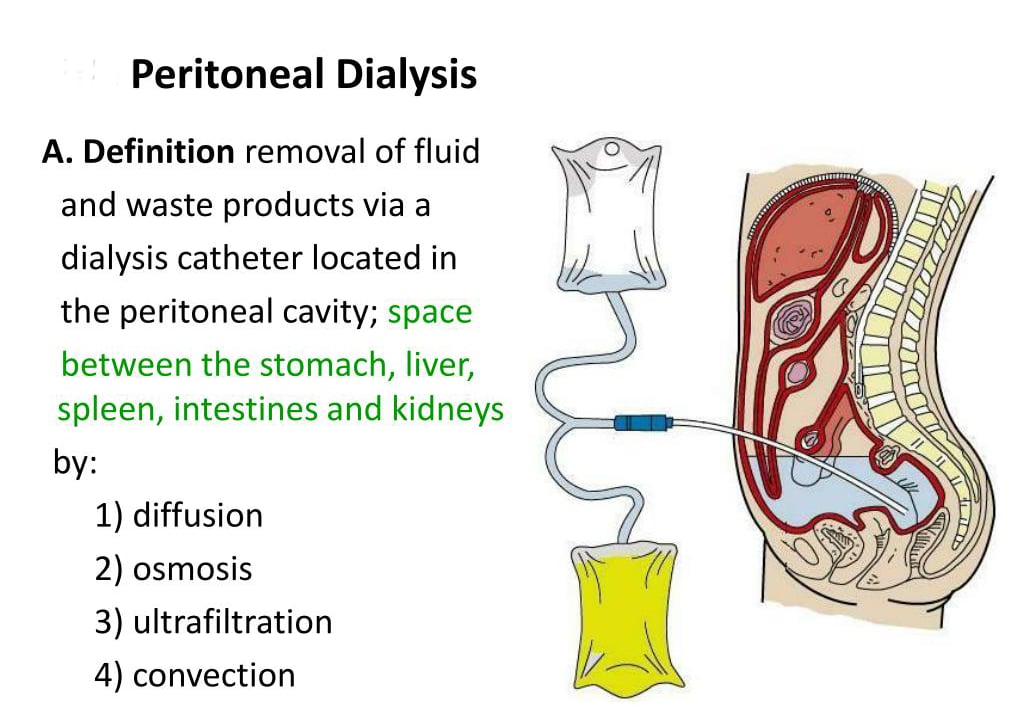
Peritoneal dialysis (PD) is a widely used treatment for individuals with end-stage renal disease. It involves using the lining of the abdomen, known as the peritoneum, to filter waste products and excess fluids from the blood. As patients adapt to this treatment method, it is common to experience various symptoms, some of which may include cramps and fluid retention. This article addresses common concerns associated with PD, particularly focusing on the experience of using a 2.5% solution and its impact on water retention.
Managing Cramping During Treatment
Cramps can occasionally occur during peritoneal dialysis, especially when using a higher concentration solution. For instance, if one experiences a cramp after using a 2.5% solution, it is essential to understand that this can be a normal response as the body adjusts to the changes in osmotic pressure. The higher concentration solution is intended to enhance the elimination of excess fluid but may temporarily lead to discomfort. As peritoneal dialysis patients often find, these cramps are usually manageable and can be alleviated with proper positioning and hydration.
Addressing Water Retention Issues
Water retention is a significant concern for many undergoing peritoneal dialysis. This condition arises when the kidneys are unable to excrete sufficient amounts of fluid, leading to swelling and discomfort. The use of a 2.5% solution can aid in draining excess fluid from the body, as the higher glucose content encourages fluid extraction through osmosis. Patients are advised to monitor their daily weight and record any changes in fluid retention, which can help healthcare providers adjust the treatment plan accordingly. Consulting with the PD nurse about any concerns regarding retention can lead to modifications in solution strength or treatment frequency, effectively managing the situation.
Conclusion and Best Practices
Adapting to life with peritoneal dialysis can be a learning process. Understanding potential symptoms such as cramps and fluid retention equips patients with the knowledge needed to navigate their treatment effectively. Utilizing a 2.5% solution, while sometimes leading to discomfort, can have beneficial effects in managing fluid balance. Regular communication with healthcare providers ensures that treatment is tailored to individual needs, allowing for a more comfortable and effective dialysis experience. Ultimately, maintaining an open dialogue about symptoms and treatment modalities will foster better health outcomes for patients on peritoneal dialysis.