Maintaining Well-being Through Peritoneal Dialysis
7/7/20261 min read

Understanding Peritoneal Dialysis
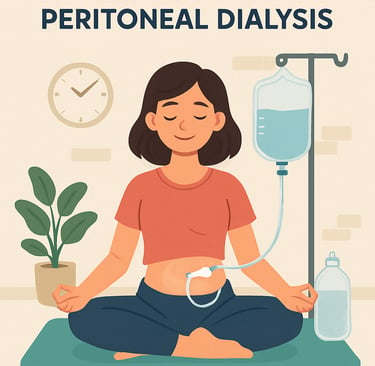
Peritoneal dialysis is a treatment option for individuals with kidney failure, allowing for the removal of waste products from the blood when the kidneys can no longer perform this function effectively. This form of dialysis utilizes the peritoneum, a membrane lining the abdominal cavity, through which a special dialysis solution is infused. The solution absorbs waste and excess fluid, and after a set dwell time, it is drained away, taking these unwanted substances with it.
A Recent Success
On July 6, 2026, a routine yet successful peritoneal dialysis treatment was conducted. Reports indicate that the procedure proceeded without any unusual complications, highlighting the importance of diligent management and monitoring of patients undergoing this treatment. Such occurrences reaffirm the effectiveness and reliability of peritoneal dialysis as a life-sustaining therapeutic option.
Symptom Management and Quality of Life
Throughout the treatment, patients may experience various symptoms, with leg cramps being a common occurrence, albeit mild in this case. Managing these symptoms effectively is crucial for maintaining a good quality of life for patients. It is important to stay vigilant and communicate with healthcare professionals when experiencing discomfort.
Patients and caregivers should not overlook simple preventive measures. Staying hydrated, managing diet, and performing light exercises suitable for individual capabilities can aid in minimizing discomfort. Engaging in regular check-ups to monitor one's condition is also an essential component of ongoing care.
Conclusion
In conclusion, peritoneal dialysis continues to be a vital option for many individuals facing kidney failure. The recent event on July 6, 2026, serves as a reminder of the stability that programmed treatments can provide. Continual monitoring and adaptive treatment plans are essential in promoting patient comfort and health. For those undergoing peritoneal dialysis, maintaining open lines of communication with healthcare providers ensures symptoms are managed effectively, leading to the best possible outcome.