
The Positive Impact of Peritoneal Dialysis on Quality of Life
7/20/20261 min read
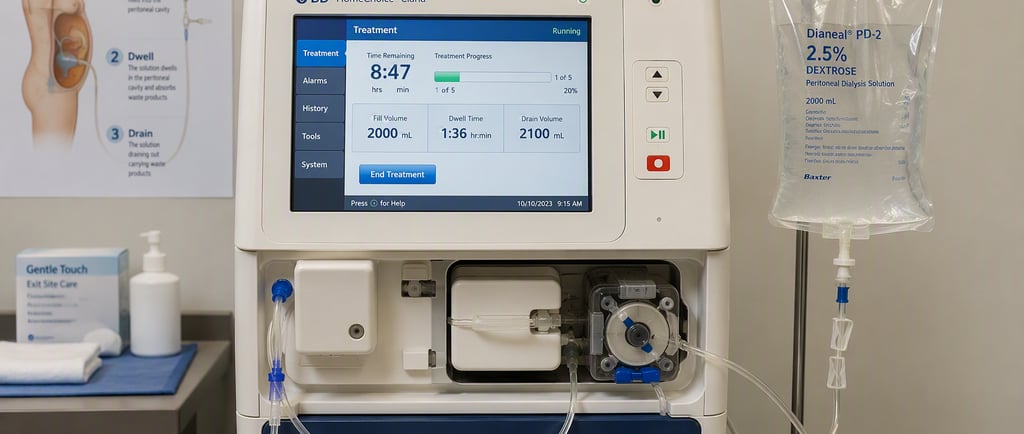
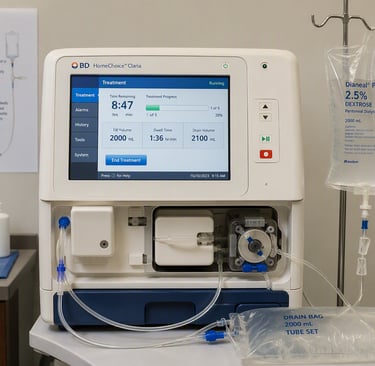
Understanding Peritoneal Dialysis
Peritoneal dialysis (PD) is a renal replacement therapy that employs the peritoneal cavity as a means to filter waste products from the blood. It is particularly beneficial for patients suffering from end-stage renal disease (ESRD). Unlike hemodialysis, which requires access to the bloodstream, PD allows patients the flexibility of managing their treatment at home, often leading to an enhanced quality of life.
My Recent Experience with Peritoneal Dialysis
As of July 20, 2026, I am delighted to share that my recent peritoneal dialysis treatment went exceptionally well. The session was smooth, without any complications arising throughout the process. I am particularly relieved to report that I did not experience any leg cramps afterward, which is often a concern for many undergoing this form of treatment. This lack of discomfort can significantly contribute to the overall well-being of patients, allowing them to focus on recovery and normal daily activities.
The Benefits of Successful Treatment
The success of a peritoneal dialysis session directly correlates with positive health outcomes. For many individuals, such treatment not only helps regulate the body’s electrolyte levels but also provides a sense of empowerment and independence. Patients are often able to perform PD at their convenience, establishing routines that fit within their lifestyles. This autonomy can lead to higher satisfaction levels and improved mental health.
On a broader scale, effective treatment can also reduce hospital visits, minimizing the emotional and financial strain on both patients and their families. Being able to manage dialysis at home means that many can lead more active lives, participate in family events, and engage in social gatherings without the overshadowing burden of frequent hospital visits.
In summary, reflecting on my treatment experience reinforces the advantages of peritoneal dialysis, showcasing its potential in continuing to deliver positive outcomes for those struggling with kidney issues. As more advancements are made in the field, the expectation is that these therapies will only continue to improve, offering even greater hope to patients worldwide.