
Celebrating Another Successful Day of Peritoneal Dialysis Treatment
7/21/20261 min read
Understanding Peritoneal Dialysis
Peritoneal dialysis is a life-sustaining treatment for patients with kidney failure. This process involves filtering waste and excess fluids from the blood using the lining of the abdomen, known as the peritoneum. Unlike hemodialysis, which requires patients to visit a dialysis center, peritoneal dialysis can be performed at home, providing additional convenience and comfort. Its flexibility allows patients to manage their treatment schedules better, adapting to their daily lives.
The Importance of Monitoring Health During Treatment
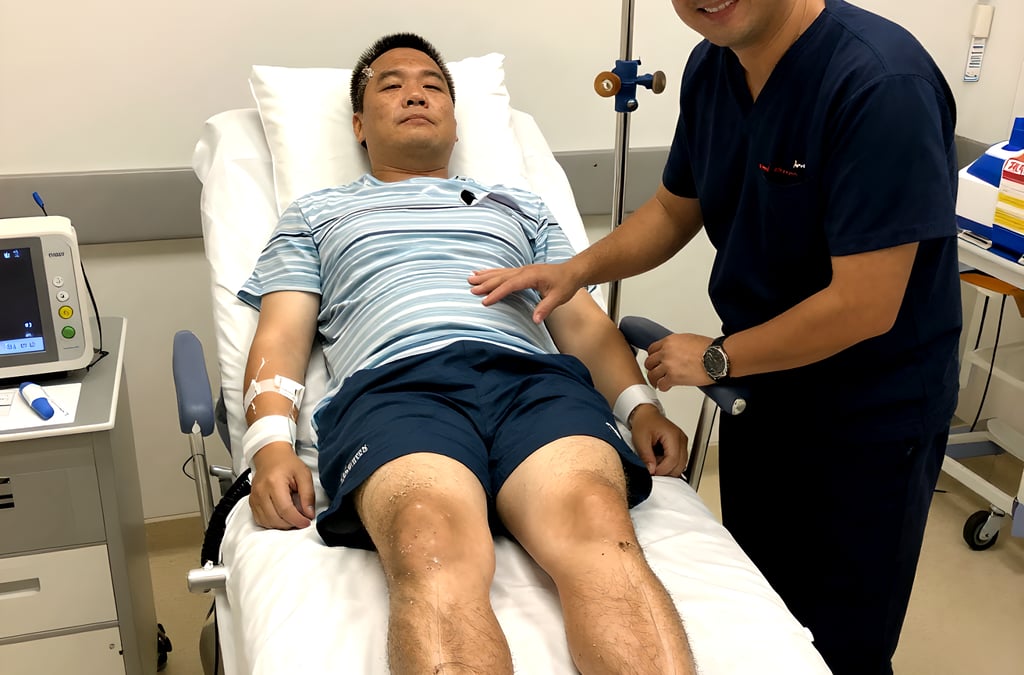
Successful management of peritoneal dialysis involves diligent monitoring to ensure the treatment's effectiveness. Patients are encouraged to observe their body's signals and speak with their healthcare professionals about any changes in their health status. Issues such as leg cramps can occur during treatment, impacting comfort and overall well-being. Fortunately, many patients report that with appropriate acclimatization and care, they face fewer complications, making each day of treatment an opportunity for improvement.
Celebrating Progress and Success
Today marks another successful day of peritoneal dialysis treatment for many individuals, bringing forth a sense of accomplishment and hope. It's crucial to acknowledge these victories, no matter how small they may seem, as they contribute to the larger journey toward maintaining kidney health. Through proper adherence to treatment protocols, balanced nutrition, and support from healthcare teams, patients can experience significant improvements in their quality of life.
For those who are undergoing peritoneal dialysis, it is essential to celebrate each successful session. Not only does this bolster emotional strength, but it also reinforces the importance of ongoing care and commitment to one's health. As more patients adapt to this method of treatment, we can witness a positive shift in attitudes toward managing kidney disease.
In conclusion, the ongoing journey of peritoneal dialysis treatment is marked by successes that deserve recognition. By staying informed and proactive in self-care, patients can enjoy more fulfilling days with reduced complications like leg cramps. Let us continue to support and empower each other as we navigate this challenging but rewarding experience.