
Navigating the Challenges of Self-Loading Dialysis: A Personal Account
6/14/20262 min read
Introduction to Self-Loading Dialysis
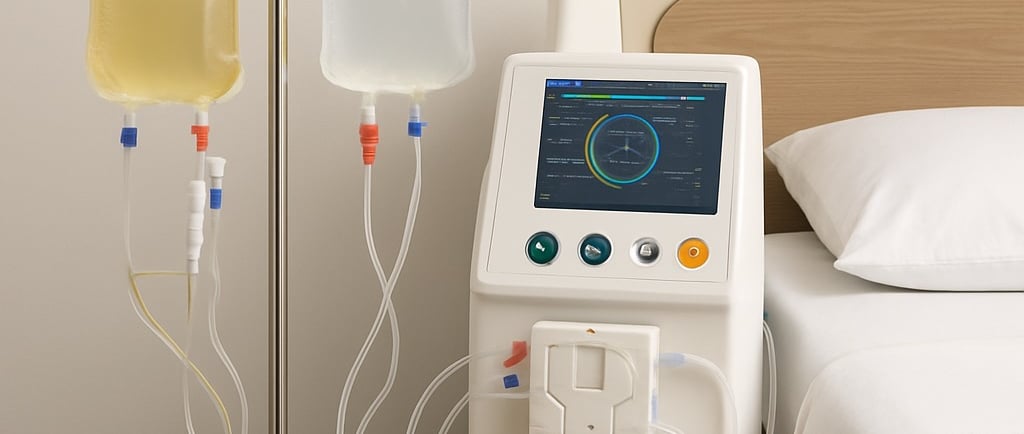
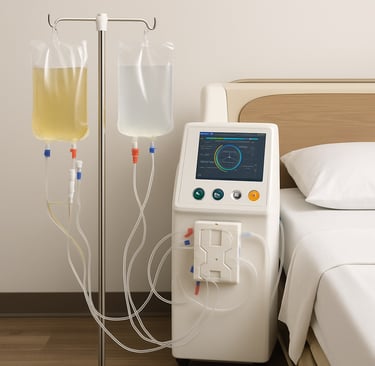
Self-loading dialysis machines, used prominently in home therapy, provide patients with the flexibility of managing their treatment schedule. The experience of utilizing such a machine can be both empowering and challenging. In this account, we discuss my initial encounter with a cycler machine on June 12, 2026, highlighting the unexpected complexities and how to navigate them.
The Moment of Alarm: A Panic Situation
On the specified night, my first self-loading session was progressing well until around midnight when an unforeseen alarm interrupted the procedure. The sounds were accompanied by red and yellow alerts flashing across the screen. As someone with hearing difficulties, I relied heavily on the visual cues. However, my lack of awareness combined with the abruptness of the alarm led to a moment of panic. In a state of confusion, I inadvertently pushed the wrong selection on the machine, which caused the cycler to complete its session prematurely. This episode was disheartening and led to a significant delay due to the need for additional supplies.
Starting Over: Lessons Learned
Following the alarm incident, I decided to procure more bags of solution and a new cassette to restart the process. Although restarting meant I was in for an additional eight hours of treatment, this time, I was determined to ensure everything ran smoothly. During this second session, I awoke again to the piercing sound of the alarm. Yet, this time, I had learned from my previous mistake. I managed to hit the correct button swiftly and returned to sleep, allowing the machine to complete its task without further complication.
The Aftermath: Grogginess and Glucose Levels
Upon waking from the second session, I felt a mixture of grogginess and fatigue, conditions I have come to associate with my regimen. The dizzy sensation following therapy is common for me, exacerbated by my usually low blood glucose levels. It is essential for patients undergoing dialysis to remain aware of how their body reacts to treatment. Monitoring glucose levels and ensuring they are well-managed can significantly improve the post-treatment experience.
Conclusion: Embracing the Journey
This personal account serves as a reminder that, while self-loading dialysis can offer greater control over treatment, it also presents challenges that require patience and adaptability. Each experience teaches valuable lessons, turning obstacles into opportunities for growth. As I continue my journey with home dialysis, I remain hopeful that, with practice, I can better manage the complexities that accompany this life-saving treatment.